Roof Repairs Succasunna NJ That Help Avoid Full Roof Replacement
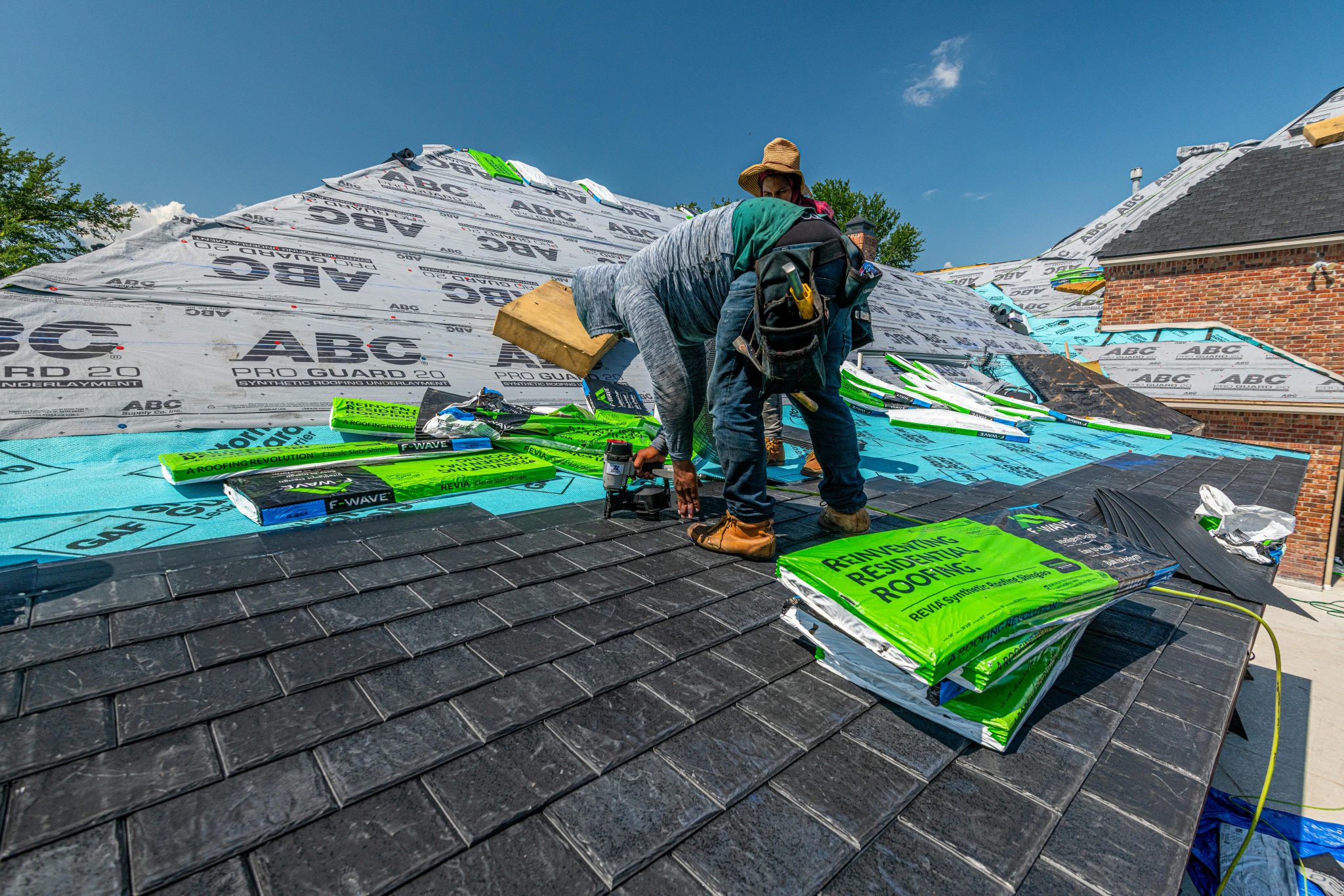


A full roof replacement is one of the larger expenses a homeowner in Morris County can face. It is disruptive, weather-dependent, noisy, and expensive enough to force difficult choices about timing and budget. The good news is that many roofs do not move straight from “first sign of trouble” to “tear-off required.” In a surprising number of cases, smart repair work buys meaningful time, protects the interior, and postpones replacement until it makes financial and practical sense.
That is especially true in Succasunna, where roofs deal with freeze-thaw cycles, humid summers, heavy rain, occasional wind events, and the slow wear that comes with mature neighborhoods and older housing stock. Not every leak means the whole system has failed. Not every missing shingle means a contractor should be talking replacement on the first visit. Good judgment matters here. So does knowing the difference between a roof that can be restored to reliable service and one that is consuming repair dollars without much return.
When homeowners ask about Roof Repairs Succasunna NJ, the real question is usually broader than fixing one visible issue. They want to know whether the roof can be stabilized, whether the repair will last, and whether they can avoid a full replacement for a few more years without taking a bigger risk.
The difference between isolated damage and system-wide failure
A roof acts like a system, not a single layer. Shingles or other exterior materials shed water, underlayment provides secondary protection, flashing manages transitions and penetrations, ventilation helps control moisture and temperature, and the roof deck underneath needs to remain dry and structurally sound. A good repair approach starts by identifying whether the problem is local or whether multiple parts of that system are failing at once.
An isolated problem usually has a specific cause and a limited footprint. A few wind-lifted shingles after a storm, a small flashing gap around a plumbing vent, nail pops that backed shingles loose, or a boot that cracked from age all fall into this category. These problems can often be repaired cleanly, and if the rest of the roof is in fair condition, that repair can provide years of additional service.
System-wide failure looks different. Widespread shingle brittleness, granule loss across multiple slopes, repeated leaks in unrelated areas, sagging sheathing, chronic attic moisture, and soft decking near valleys or eaves tell a different story. In those cases, repair may stop one leak but leave the homeowner chasing the next one a few months later.
This is where experience makes a difference. A careful roofer does not just patch the spot where water appears inside. Water can travel along rafters, under decking seams, and across underlayment before it shows on a ceiling. The stain in a bedroom might be ten feet away from the actual entry point. If the investigation stops too soon, the “repair” becomes little more than a short pause.
Why Succasunna roofs often fail in manageable ways first
Climate and construction details in North Jersey create several common repairable issues before a roof reaches end of life. https://remingtontppk627.theglensecret.com/how-to-choose-the-best-roof-repairs-succasunna-nj-has-to-offer Winter is a major factor. Snow sits, melts, refreezes, and pushes water into vulnerable areas when flashing is weak or ventilation is poor. Ice damming at eaves can create leaks that look severe but do not always mean the field shingles are spent. Sometimes the real fix involves targeted roof repair, better attic insulation balance, and improved ventilation rather than immediate replacement.
Spring and summer bring their own problems. Wind can break the seal on shingles, especially on older roofs that still have usable life left but have become more vulnerable at edges and ridges. Humidity accelerates wear around penetrations and can expose attic ventilation problems that shorten roof life from the inside out. Sudden downpours test valleys, chimney flashing, skylight details, and low-slope transitions. Those are weak points on almost every roof, regardless of brand or age.
Tree cover matters too. Many homes in and around Succasunna enjoy mature landscaping, but branches rubbing over time can strip granules, damage shingle tabs, and keep roof surfaces shaded and damp. Moss and debris buildup do not always require replacement, but they do demand attention. A roof that is still structurally sound may only need cleaning, minor repairs, and selective replacement of damaged sections to remain serviceable.
The repair strategies that often add real life to a roof
Not all Roof Repairs are equal. Some are emergency patches that only hold until a more permanent visit can be scheduled. Others, when done properly, become durable corrections that restore the roof’s ability to shed water.
One of the most effective repairs is flashing replacement or reflashing at critical areas. Chimneys, step flashing at sidewalls, headwalls where roofing meets vertical siding, and penetrations like vent pipes all fail more often than the main field of shingles. I have seen roofs with another five to eight usable years left where the only real issue was old flashing details that had loosened, rusted, or been improperly sealed by a previous handyman. Reworking those areas correctly can transform a roof that seemed unreliable into one that performs well through several more seasons.
Shingle replacement is another common life-extending measure, provided the surrounding materials are still viable. A roofer can remove damaged or missing shingles, inspect the underlayment and deck below, replace compromised components, and reweave matching shingles where feasible. On newer roofs, this is straightforward. On older roofs, color match becomes harder, and brittleness during repair becomes a factor. Even then, a careful repair can be worthwhile if the goal is weather tightness rather than cosmetic perfection.
Localized deck repair also matters. If a leak has softened a small section of plywood or boards near a valley, eave, or plumbing penetration, replacing that substrate before reinstalling roofing above it prevents the area from worsening. Homeowners sometimes resist this because it adds cost compared to a surface patch, but it is often the difference between a repair that lasts one season and a repair that lasts several years.
Sealant has a role, but only a limited one. Quality roofing sealants can support proper repairs at specific points, but they should not be the entire strategy. A roof covered in caulk is often a warning sign. Sealant weathers, shrinks, and cracks. Mechanical water-shedding details, proper overlap, and correctly installed flashing are the real fix.
Signs that a repair-first approach makes sense
There is no universal rule, but a roof is often a good repair candidate when the main covering still has flexibility, the damage is concentrated rather than widespread, and the decking remains mostly sound. A roof in the middle phase of its life, not brand new but not near collapse, often benefits most from targeted intervention.
A homeowner may also choose repair over replacement for practical reasons that are completely valid. They may be planning an addition in two years and do not want to reroof now only to disturb that work later. They may be preparing to sell but need the roof stabilized and leak-free rather than fully replaced. They may be budgeting for windows, siding, or HVAC and need to spread major expenses over several seasons. Good Roof Repairs Succasunna NJ should acknowledge those real-world decisions instead of pretending every home needs the same path.
A useful inspection will usually answer these questions in plain language:
- Is the problem isolated or widespread?
- Can the repair be done in a way that restores proper water management?
- How much life is realistically left in the surrounding roof area?
- Are there ventilation or attic issues contributing to the damage?
- Would repeated repairs in the next year or two cost too much compared to replacement?
If the answers point toward a contained issue on a roof with decent remaining life, repair is often the smart move.
Repairs that homeowners delay too long
Small roof issues become expensive when they are ignored. The roof itself might still be repairable, but the interior and structural consequences grow. A stain on drywall can turn into insulation damage, mold growth, deteriorated sheathing, and even trim or flooring damage if water keeps entering. What began as a few hundred dollars in repair work can push into thousands once carpentry, painting, and moisture remediation are added.
Pipe boots are a classic example. The rubber collar around a vent stack can crack from sun exposure. At first, the leak may only happen during hard rain from one direction. Homeowners often put it off because the ceiling stain dries and seems inactive. Six months later, there is soft drywall, and the repair involves not just the roof component but also interior patching.
Chimney flashing tells a similar story. Mortar joints fail, counterflashing loosens, and step flashing details become vulnerable. Because chimneys penetrate the roof in a complex way, repeated water entry can spread along framing and appear in multiple rooms. A precise repair early on is usually affordable. Waiting allows rot and hidden damage to build where nobody sees it.
Valleys are another trouble spot. Debris collects, water runs heavily there, and even minor installation defects show up faster than on open shingle field. A homeowner may notice dark streaks or intermittent dripping but assume it is normal aging. It is not. A valley repair done before the deck softens stands a good chance of extending roof life. Done after years of neglect, it may reveal too much surrounding failure to justify the effort.
When repairs stop being cost-effective
A repairable roof is not the same thing as a roof worth repairing. That distinction matters. If a roof has reached the stage where every storm reveals a new weakness, repair becomes reaction rather than strategy.
One practical benchmark is frequency. If a homeowner has needed two or three unrelated repairs within a short span, especially on different slopes or around different penetrations, it may indicate a broader decline. Another is material condition. If shingles crack during normal handling, the roof may be too fragile for isolated repairs to hold up well. A third is moisture history. Chronic attic condensation, repeated leaks, and past patchwork often mean hidden deterioration extends beyond what is visible from the ground.
Budget matters too. If a significant repair costs 25 to 35 percent of what a replacement would cost, and the roof only has a few years left, replacement may be the better investment. But there are exceptions. If the home will be renovated soon, if only one section is failing, or if the homeowner needs a short-to-medium term solution, a carefully chosen repair can still make sense.
This is why honest scope definition matters more than sales language. The right contractor explains what the repair can and cannot accomplish. A good repair should stop water intrusion and stabilize the area. It should not be sold as making a 22-year-old roof “like new.”
How professional repairs differ from patch jobs
A patch job focuses on symptom control. Professional repair work addresses the water path. That may sound like semantics, but it changes the result.
For example, when shingles are damaged near a sidewall, a quick patch may involve adhesive and surface replacement only. A proper repair often requires lifting the surrounding area, checking whether step flashing was installed correctly, replacing compromised pieces, and ensuring each course sheds water into the next one. The difference is invisible from the driveway, but very obvious during the next storm.
The same applies to skylights. Many skylight leaks are blamed on the unit itself when the actual problem is flashing or surrounding roofing details. Other times the skylight seal has failed and the unit truly is the issue. A contractor who jumps straight to surface caulking may stop the leak briefly, but the underlying weakness remains. A professional evaluates the full assembly and repairs the component that actually failed.
There is also craftsmanship in matching materials and preserving the surrounding roof. Older shingles can tear if handled aggressively. Good repair work uses technique, not brute force. That includes hand-sealing where necessary, replacing fasteners correctly, and working in weather conditions that support proper adhesion. These are details homeowners rarely see, yet they determine whether the repair lasts two months or five years.
What homeowners can do before calling for service
There are sensible steps a homeowner can take without climbing onto the roof. Safety should come first. Most useful observations happen from the ground, inside the attic, or around the house perimeter after a storm.
Look for signs that help narrow the problem. Fresh shingle pieces in the yard, damp insulation in the attic, stains that darken after heavy wind-driven rain, and gutters full of unusual granules all provide clues. Timing matters too. A leak that only appears during ice buildup points to a different cause than one that shows during every ordinary rain.
This short checklist helps make the service call more productive:
- Note when the leak occurs, during heavy rain, wind-driven rain, snow melt, or all conditions.
- Photograph ceiling stains, attic moisture, and any visible exterior damage from the ground.
- Check whether the issue is near a chimney, vent pipe, skylight, valley, or wall intersection.
- Clear easy ground-level drainage issues, such as downspout blockages, if they are safely accessible.
- Avoid tarps or sealants unless absolutely necessary and you know how to use them safely.
These observations save time and often help the roofer target the inspection more effectively.
The role of maintenance in avoiding premature replacement
Many roofs that “suddenly fail” have actually been signaling for years. The signals were just subtle. Preventive maintenance is what catches those signals before they become emergencies. That does not mean constant service calls or unnecessary spending. It means periodic checks, especially after major weather events, and attention to the details that age faster than the main roof surface.
Gutter function is part of that equation. Overflowing gutters can push water back toward fascia, soffits, and lower roof edges. Clogged valleys retain moisture and debris that accelerate wear. Overhanging limbs scrape shingle surfaces and drop organic matter that traps dampness. None of these issues alone means the roof needs replacement, but together they shorten roof life and make leaks more likely.
Ventilation deserves special mention. Homeowners often think of Roof Repairs as exterior work only, yet attic conditions influence the whole system. Excess heat can bake shingles from below and shorten their lifespan. Trapped winter moisture can dampen decking and create a cycle of deterioration that appears to be a roof covering problem on the surface. Sometimes the repair that prevents replacement is not just new flashing or a shingle section, but also correcting intake and exhaust balance in the attic.
Choosing a repair contractor with the right mindset
The best repair contractors approach older roofs with restraint and precision. They are not eager to oversell a replacement, but they are also not willing to promise miracles. That balance is what homeowners should look for.
Ask how they determine whether a repair is worth doing. Ask whether they inspect the attic as well as the exterior. Ask what adjacent materials might need to be disturbed and reinstalled. Ask how they handle brittle shingles and whether the repair will blend visually or simply function well. Those answers reveal a lot about experience.
You also want clarity about scope. If the contractor is replacing flashing, are they removing and reinstalling the surrounding shingles properly, or just sealing over the old metal? If there is deck damage, how much is included before change orders start? If matching shingles are unavailable, what is the plan? Specificity matters more than polished wording.
For homeowners searching for Roof Repairs Succasunna NJ, the strongest value usually comes from companies that treat repairs as a real craft, not as filler work between replacements. Repairs require diagnosis, patience, and a willingness to solve the actual problem rather than forcing every home into the largest possible project.
A roof does not have to be perfect to be worth saving
There is a practical middle ground between a pristine new roof and one that is ready for demolition. Many homes sit in that middle ground for years. The roof may show age. It may have a repaired valley, newer flashing at the chimney, and a few replaced shingles on a weather-facing slope. None of that is failure. In many cases, it is responsible ownership.
What matters is whether the roof remains watertight, structurally sound, and economically sensible to maintain. A thoughtful repair can preserve those conditions longer than many homeowners expect. It can buy time for budgeting, reduce the risk of interior damage, and allow replacement to happen on your schedule rather than the weather’s.
That is the real value of well-executed Roof Repairs. They are not just temporary patches when done properly. They are targeted interventions that respect the life still left in the roof, correct vulnerable details, and help homeowners in Succasunna avoid a full roof replacement before it is truly necessary.
Royalty Exteriors
Address: 151 NJ-10 Ste 103A, Succasunna, NJ 07876
Phone number: +19733337234
FAQ About Roof Repairs Succasunna NJ
How much should I pay for roof repairs?
Most homeowners pay an average of $900 to $1,200 for roof repairs, with typical projects ranging from $150 to $3,000+ depending on the severity of the damage.
What are the most common roof repairs?
The most common roof repair is fixing water leaks by replacing damaged, cracked, or missing asphalt shingles and sealing compromised flashing.
Does homeowners insurance pay for roof repairs?
Homeowners insurance pays for roof repairs only if the damage is sudden and accidental, such as from a storm, hail, or a falling tree.